
Extract Strength From Your Practice

I made this course partly because I know from experience that devoting yourself to getting stronger ...

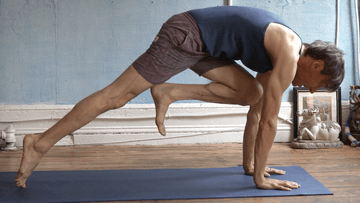
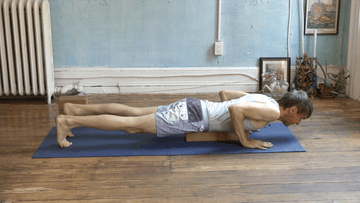
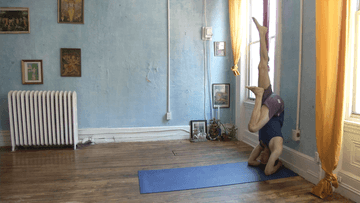
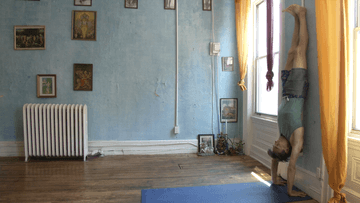
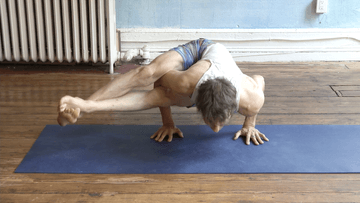
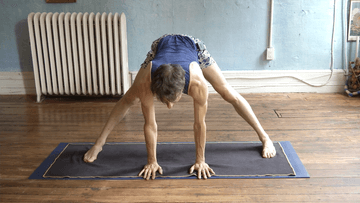
I made this course partly because I know from experience that devoting yourself to getting stronger in your practice is extremely difficult to do-especially when you attempt to develop strength over an extended period of time. Extracting strength is a matter of learning to sleuth out, contemplate, detect and extract strengthening possibilities from your efforts in practice. I will take you through 15 intensive sessions (of approximately 20-35 minutes each) of rigorous, fun and original exercises that are not only designed to help you build strength and stamina but also to help you THINK more effectively and creatively about how to use the foundations of your practice to get stronger. This course is for dedicated Ashtanga students (or vinyasa students with some experience) who want to build real, usable strength directly from their practice rather than adding random gym work. It’s especially helpful if you feel “soft” in transitions, struggle with arm balances or inversions, or feel your practice is wearing you down instead of building you up.

Course Content
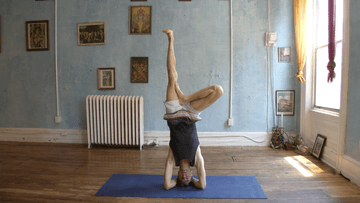
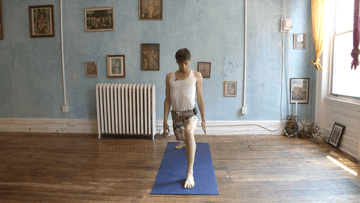
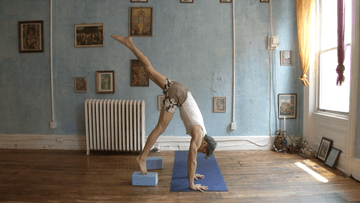
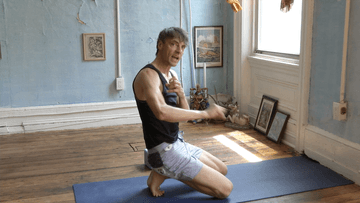
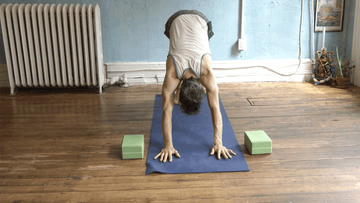
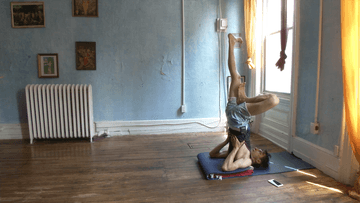
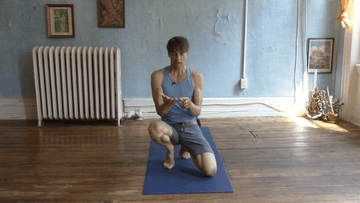
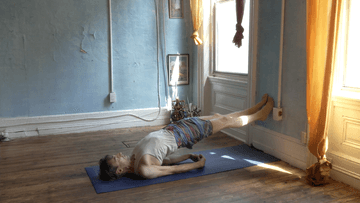
Frequently Asked Questions
- Who is this course for?
- This course is for dedicated Ashtanga students (or vinyasa students with some experience) who want to build real, usable strength directly from their practice rather than adding random gym work. It’s especially helpful if you feel “soft” in transitions, struggle with arm balances or inversions, or feel your practice is wearing you down instead of building you up.
- Do I need to be able to do full Primary Series to take this course?
- No. You do not need full Primary. You just need basic familiarity with Surya Namaskara A and B, standing postures, and some of the seated sequence. All the drills are scalable.
- Is this okay if I can’t do handstand, forearm balance, or deep backbends (yet)?
- Yes. The course is built around progressions and “strength sweet spots,” not final poses. You’ll learn prep work, wall work, and partial shapes that let you extract strength now while you gradually move toward the harder versions.
- What if I can’t jump through or jump back? Will I be left behind?
- No. The jump-through/jump-back work is taught in layers. You’ll get specific ways to start “tending the small, gritty details” of these transitions so you can build strength and skill even if your feet are still scraping the floor or you’re nowhere near floating.
- Is this safe if I have old injuries or sensitive wrists/shoulders/neck?
- Many of the exercises can be adapted, but this course does include a lot of weight-bearing on the hands and some strong inversion work. You’ll need to listen to your body, use props and wall support, skip what clearly aggravates your injury, and, if needed, get clearance from a medical professional before diving into the stronger drills.
- What props or equipment do I need?
- You’ll want: 2 sturdy blocks, a mat, a wall, and something to use as a timer (phone or simple clock). A blanket and a strap can be helpful, but the essentials are your body, the floor, blocks, 2 blankets, and a wall.
- How long are the sessions, and how often should I do them?
- Most sessions run in a short, concentrated format (around 20–40 minutes, depending on how you pace them). You can do them 2–4 times per week as a strength supplement to your regular practice, or cycle one session repeatedly for a while to really “mine” it.
- Should I do these sessions instead of my regular Ashtanga practice or in addition?
- You can use them either way. Some people will plug them in after a shorter practice or on off-days as a strength lab; others may treat a session itself as their practice on a busy day. The key is consistency, not perfection.
- Will this course actually build muscle and noticeable strength, or is it just “subtle yoga work”?
- This is real strength training inside the Ashtanga framework: holds, repetitions, loops, and endurance in arm balances, inversions, backbends, and transitions. If you show up regularly and work at your edge, you will feel changes in power, stamina, and control.
- Do I need to do the days in order, or can I jump around?
- You can jump around, but the course is designed with a progression: foundations, inversions, loops, arm balances, backbends, bandhas, and a final strength circuit. Doing it in order at least once will give you a clear map; after that, you can revisit your favorite days.
- What if I get overwhelmed by the harder material (3rd/2nd series arm balances, etc.)?
- You’re not expected to “nail” the big postures. Treat them as laboratories: you’ll learn how foundational poses like Samasthiti, Bakasana, Bhujapidasana, and the basic vinyasas feed into the more advanced shapes. You can stay with the preparatory phases as long as you need.
- Is this course suitable for older practitioners or students who feel they’ve “lost” strength with age?
- Yes—as long as you’re willing to play the long game and work in smart, realistic steps. This course is about extracting strength from sustainable positions, not beating your body into submission. You’ll be shown ways to modify intensity and use props so you can build strength without trashing your joints.
- How quickly should I expect to see results?
- You may feel different activation and fatigue patterns after just a few sessions—especially in core, back body, and shoulders. Structural changes in strength and control usually come over weeks and months of steady, intelligent repetition.
- Can beginners to strength work (but not total beginners to yoga) do this?
- Yes. You don’t need a gym background. The course will show you how to be a “strength connoisseur” inside poses you already know—Samasthiti, Dog, Plank, Navasana, Bridge, etc.—and then gradually lead you into more demanding challenges.
- How should I use the final 20-minute strength circuit?
- Think of it as a “template” for your own routines. Once you’ve gone through the whole course, you can return to that last class whenever you want a compact, up-tempo strength hit—or you can swap in your favorite drills from earlier days and build your own custom circuits.