
Ashtanga Short & Strong

short practices · smart drills · sustainable progress
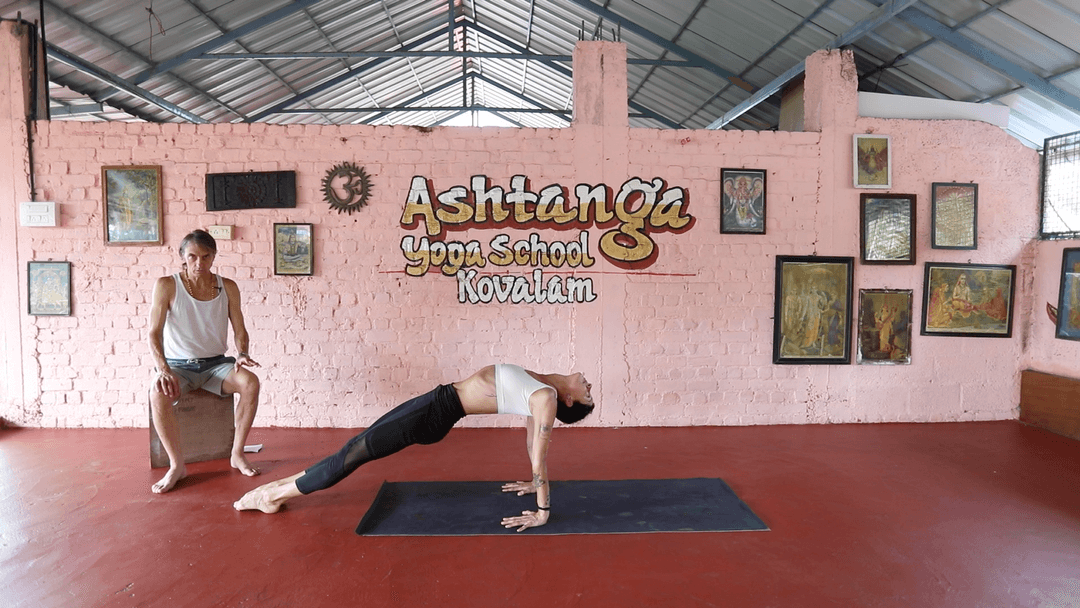

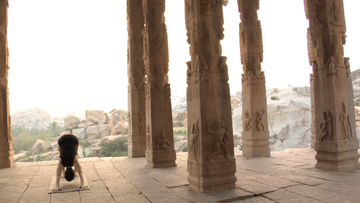
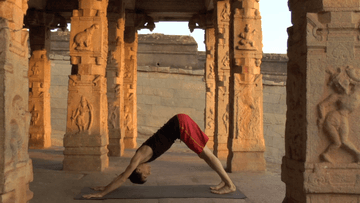
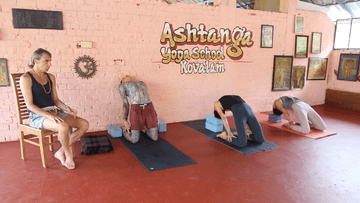
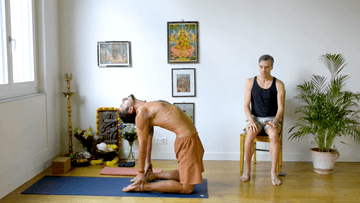
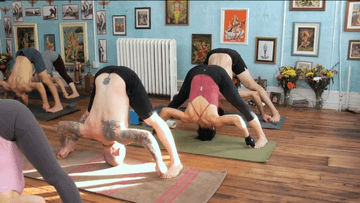
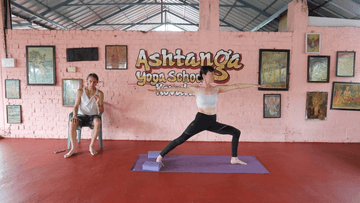
In this massive video course, David keeps the heart of traditional Ashtanga intact and reshapes it into short practices and targeted workout drills, creating a smarter, more sustainable way to practice. • Practicing a full series doesn't work for you • Work and family pull on your time • You’re navigating age, injury, or burn out • Struggling with jump-backs, headstand, or other challenging poses? Ashtanga Short & Strong honors the traditional Ashtanga Vinyasa system, but breaks it into realistic short practices and smart, strength-building drills that keep you consistent, progressing, and in the flow of your practice. Ashtanga Short & Strong gives you: 1) A library of short, guided practices (5–50 minutes) that honor the classical Ashtanga Vinyasa structure. You'll always have a practice that fits the time that you have, so you can stay consistent without feeling trapped in the all-or-nothing choice of doing a full sequence or skipping practice entirely. 2) Smart drills give you foundational movements you can actually repeat, so you build real strength and make progress toward those poses instead of staying stuck.

Course Content
SHORT FORMS: 11 Minutes or Less

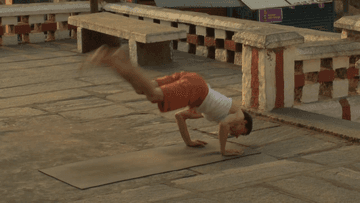
SHORT FORMS: 12 - 20 Minutes
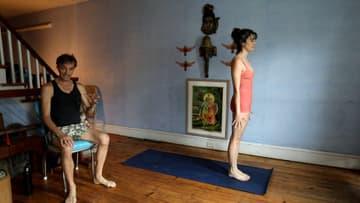
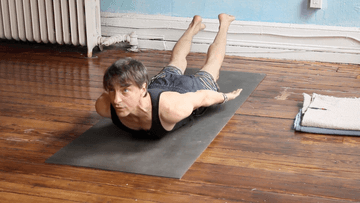
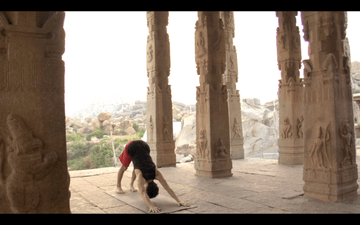
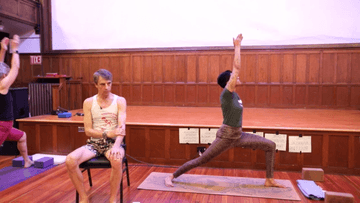
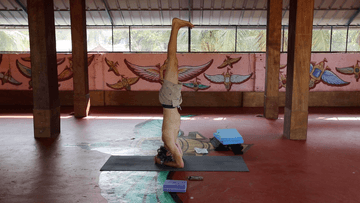
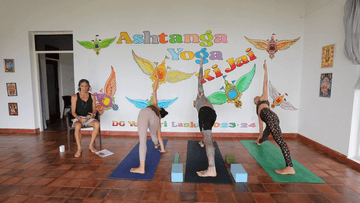
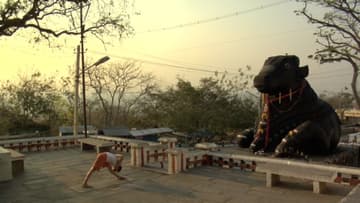
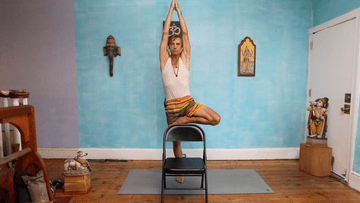
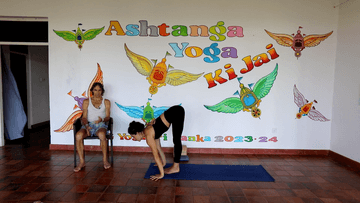
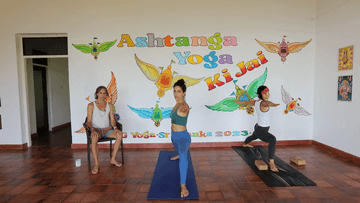
SHORT FORMS: 21 - 35 Minutes
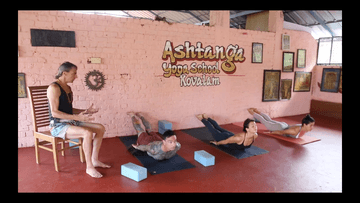
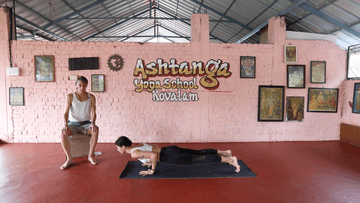
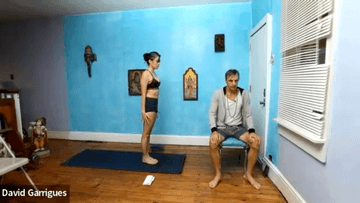
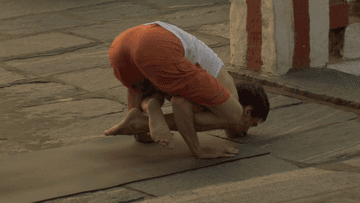
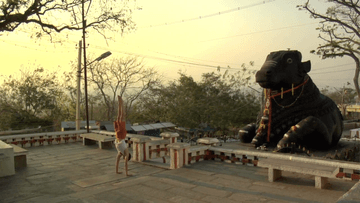
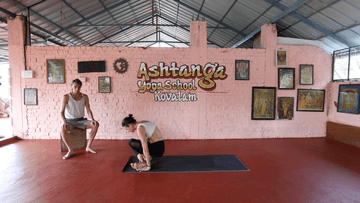
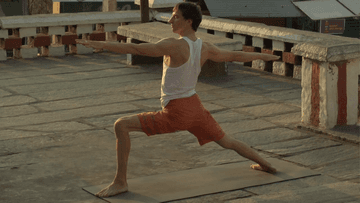
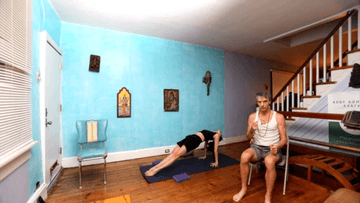
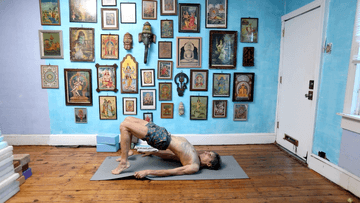
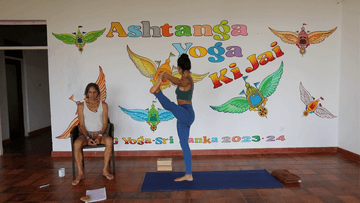
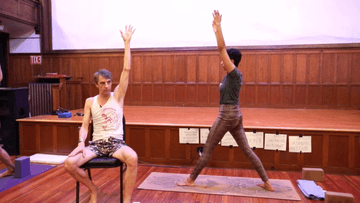
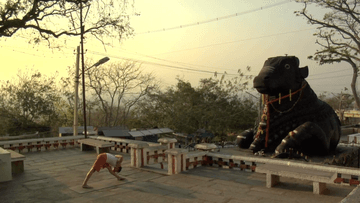
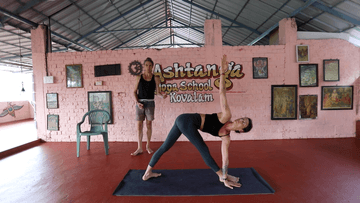
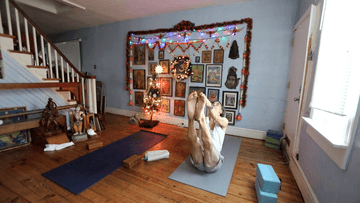
SHORT FORMS: 36 - 50 Minutes
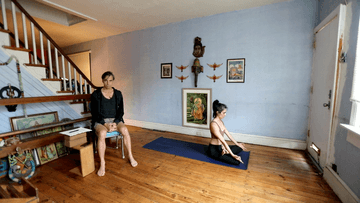
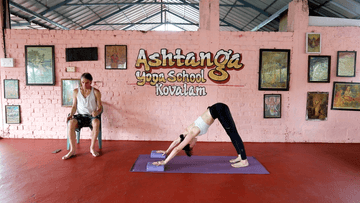
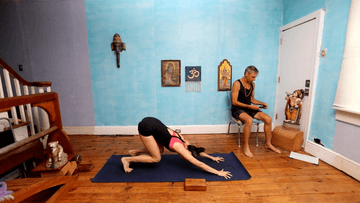
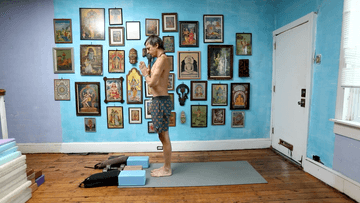
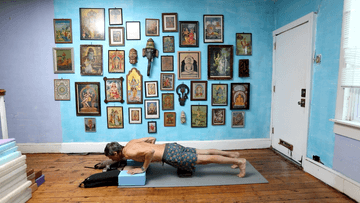
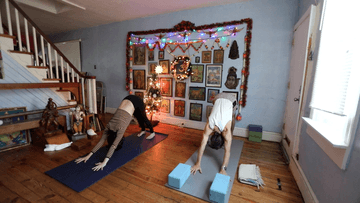
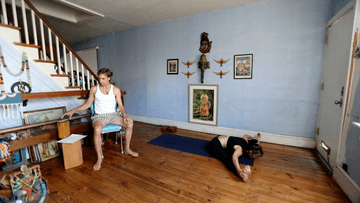
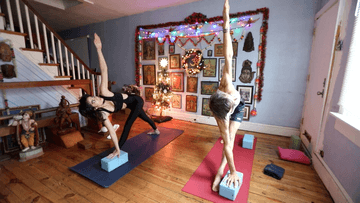
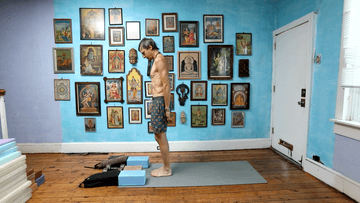
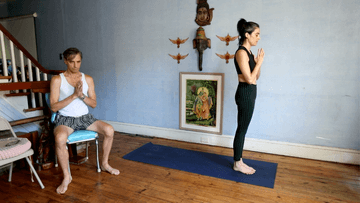
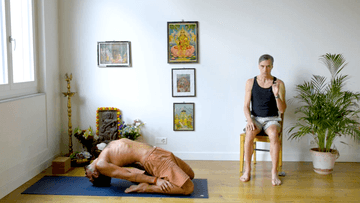
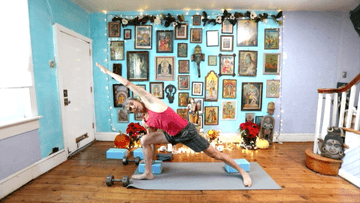
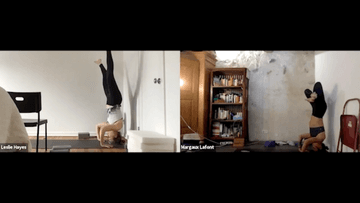
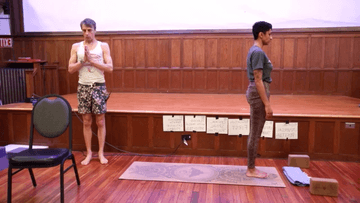
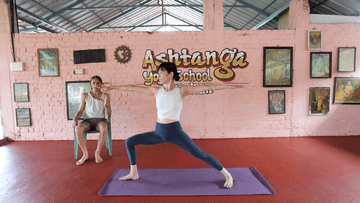
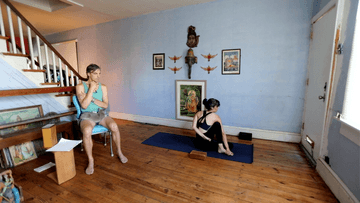
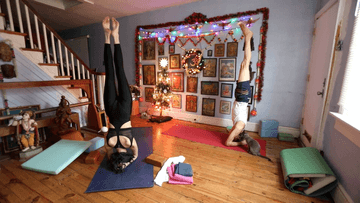
INTRODUCTION TO DRILLS
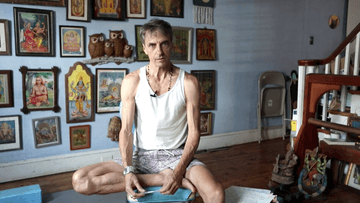
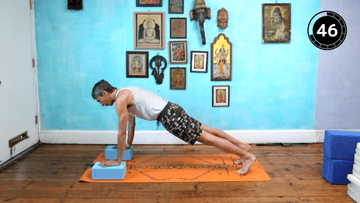
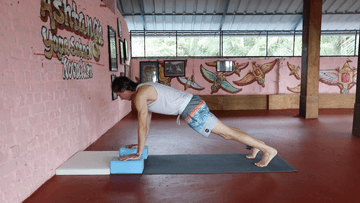
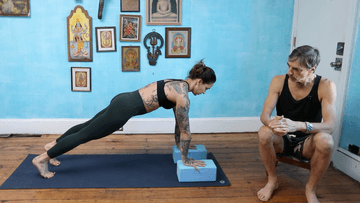
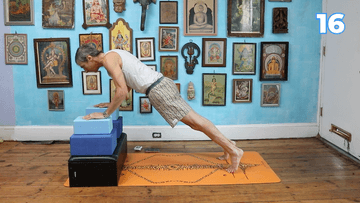
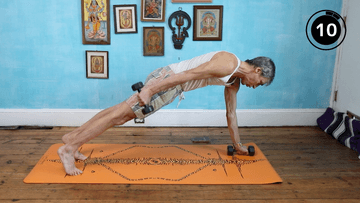
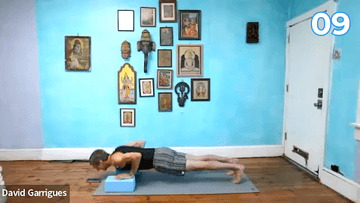
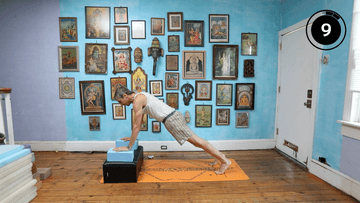
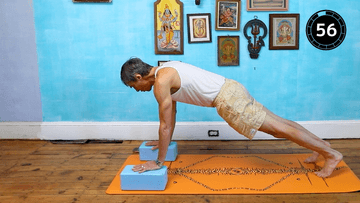
DRILLS: Plank
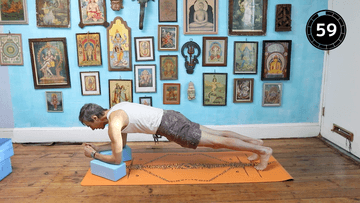
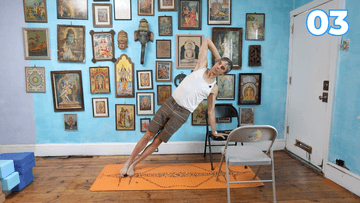
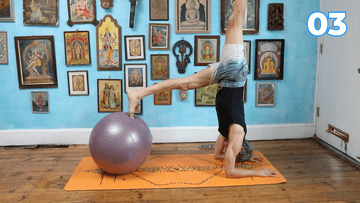
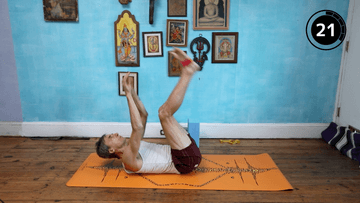
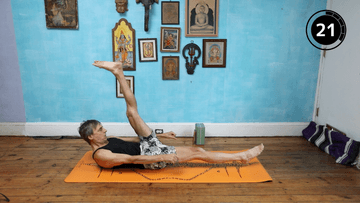
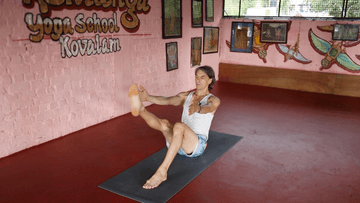
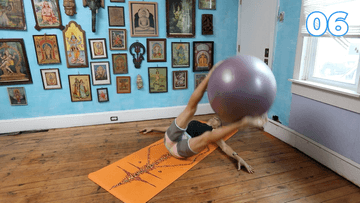
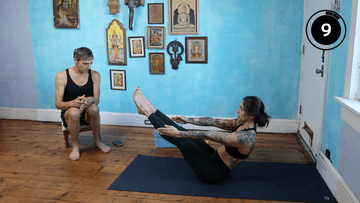
DRILLS: Core
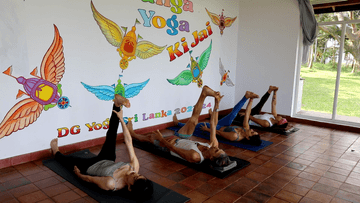
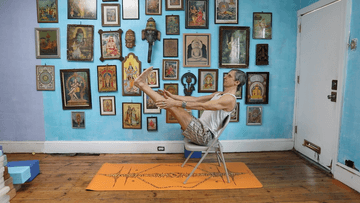
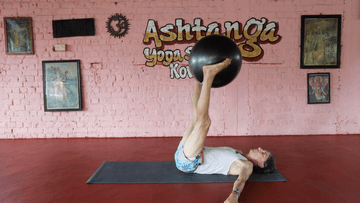
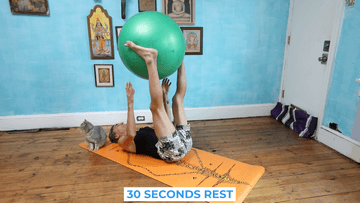
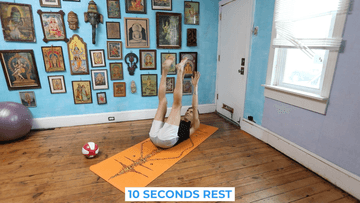
DRILLS: Jump Back & Jump Through
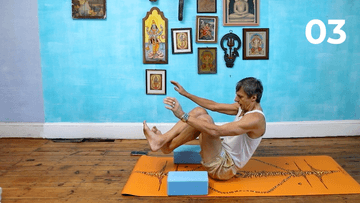
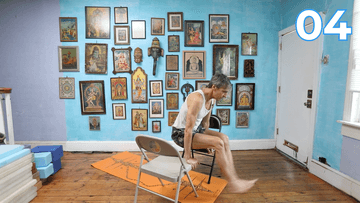
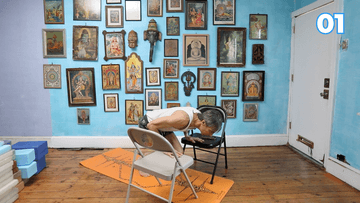
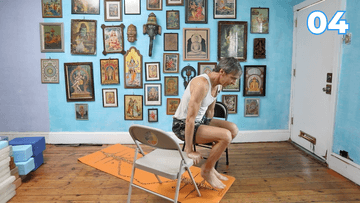
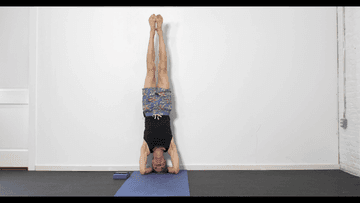
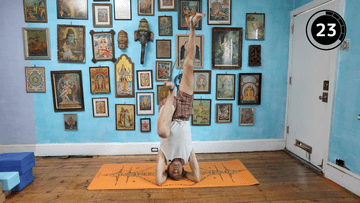
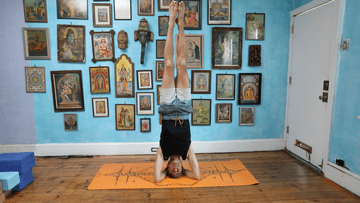
DRILLS: Inversions
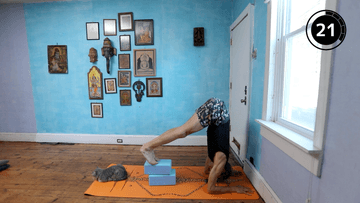
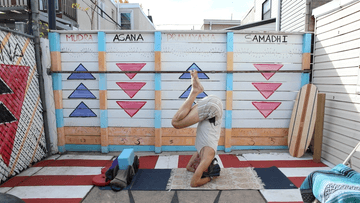
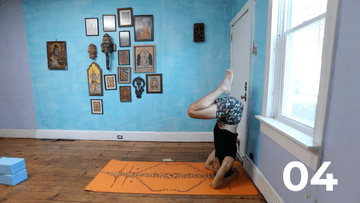
DRILLS: Backbends
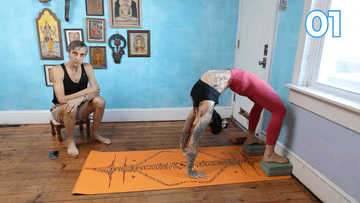
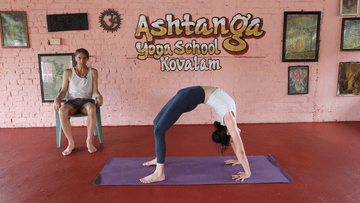
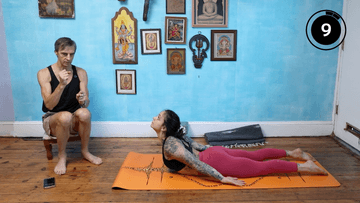
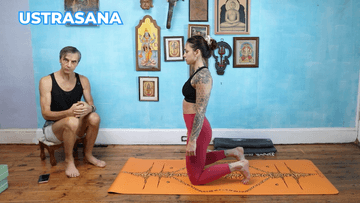
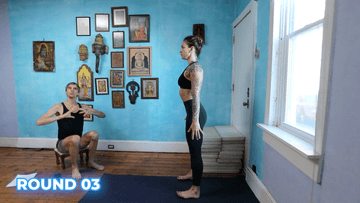
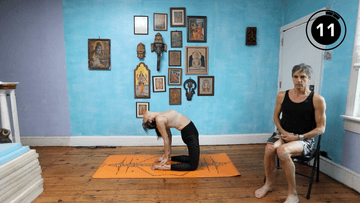
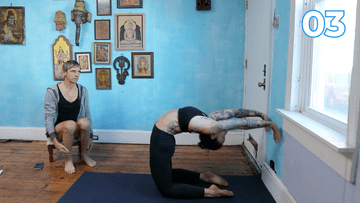
DRILLS: Flexibility
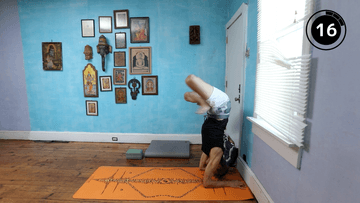
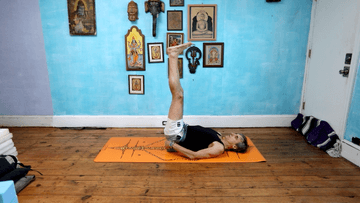
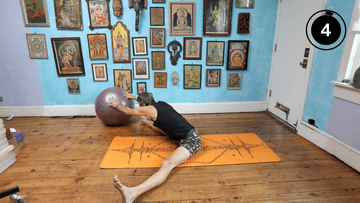
DRILLS: Full Body Combo
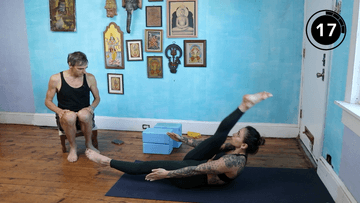
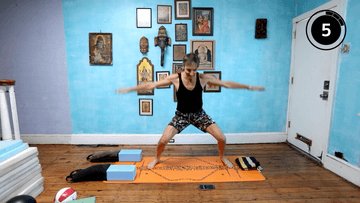
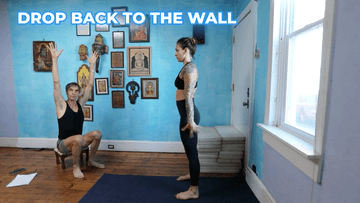
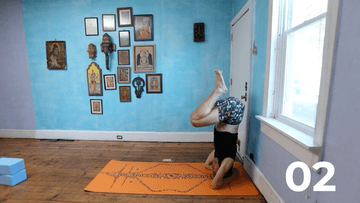
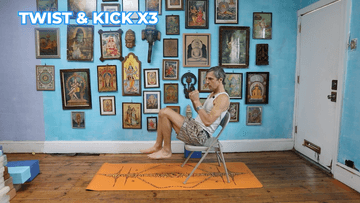
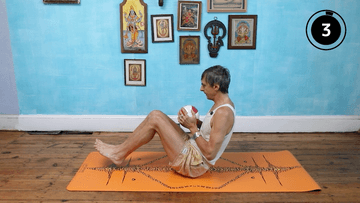
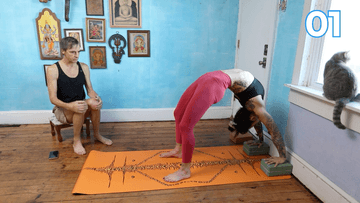
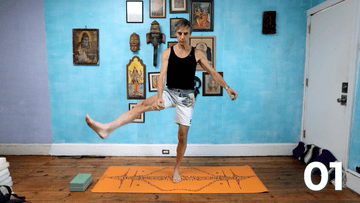
DRILLS: Bandhas and Misc
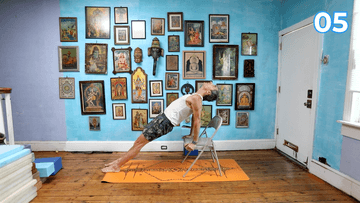
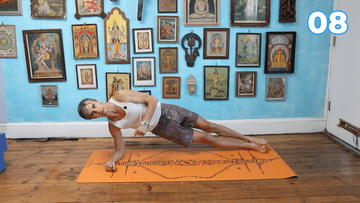
Frequently Asked Questions
- Do I need to know the full Primary Series to use these classes?
- No. These short forms are designed for dedicated students, but you don’t need to have the whole sequence memorized. If you’re familiar with the general structure and have some experience with Ashtanga, you’ll find these sessions accessible and effective.
- Are these classes traditional Ashtanga or more like vinyasa flows?
- These are rooted in the traditional Ashtanga method—breath, bandha, drishti, and vinyasa count are all honored. But the sequences are intelligently shortened and adapted to fit your schedule without losing the essence of the method.
- How do I know which short form to choose each day?
- Need a reset? Short on Time? Try a 10–20 min medium form. Want something with more vigor? Go for a 30 min fast form. Ready for a power punch? Pick a 45 min full sprint form.
- Can I use these in place of my full daily Ashtanga practice?
- Yes, especially on busy days. These classes are crafted to help you stay consistent and connected when a full 90-minute session isn’t possible. They’re a sustainable solution, not a substitute for depth.
- Will these help me progress, or are they just maintenance?
- They’re both. Some short forms are designed to maintain rhythm and breath. Others are potent and challenging, helping you build strength, refine transitions, and deepen flexibility—all within a shorter frame.
- Can I do these every day?
- Absolutely. This collection is built for daily use. Mix and match according to your needs, energy, and available time. They’re meant to support a long-term, livable relationship with your practice.
- Do these sessions include pranayama or breathwork?
- Many of the sessions naturally integrate breath control into the flow but there aren't any strictly focused on a seated Pranayama practice.
- Are these beginner-friendly?
- If you have no familiarity with Ashtanga yoga and the primary series, it's best to start with a medium paced short form. Once you get a handle on the Ashtanga vinyasa system then you can use the fast and sprint paced classes. However, any of the drills are accessible to you right from the beginning.
- What makes this different from other short yoga videos online?
- These are not random flows. They’re strategic, crafted with decades of experience in the Ashtanga system. They honor the lineage and offer a real-world solution for staying engaged without burning out.
- Can I stream these anytime?
- Yes. Once you purchase the collection, you can stream the videos anytime, anywhere, as often as you like. They are not downloadable.
- What are these drills, exactly?
- These are short, focused strength and coordination sequences that support your Ashtanga practice. They target key areas like plank and Chaturanga strength, core, backbends, inversions, lotus work, and hamstrings so that your regular practice becomes safer, clearer, and more powerful.
- Are these drills only for advanced students?
- No. They’re for anyone who wants to practice smarter: Newer students can use them to build a safe foundation. Intermediate/advanced students can patch “holes” in strength, alignment, or coordination that the regular series doesn’t fix on its own. Older or injured practitioners can use them as a way to keep practicing intensely but intelligently. Every drill has room for props, wall support, and simpler variations.
- Do the drills replace my regular Ashtanga practice?
- No. Think of them as supporting tortoise work: Use them before or after your main practice as a strength/technique supplement. On lighter days or injury days, a drill can be your practice. They’re meant to protect and refine your vinyasa, not replace it.
- How often should I do the drills?
- A simple guideline: 2–4 times per week is plenty for most people. Choose 1–2 drills per session (for example, a plank/core drill and an inversion drill). Err on the side of consistency rather than heroics—small, regular doses beat occasional overdoing.
- What equipment do I need?
- Most drills use minimal, common props: 1) Wall 2) Yoga mat 3) Blocks / folded blanket 4) Strap or resistance band 5) Small or medium ball (for some core drills) If you don’t have one of these, you can usually substitute: a folded towel, a pillow, or no prop at all with a simpler variation.
- I have wrist/shoulder issues. Can I still do the inversion and plank drills?
- Often, yes, but with modifications and common sense: 1) Reduce time in weight-bearing shapes. 2) Work closer to the wall and keep more weight in the legs when possible. 3) Emphasize setup phases (forearms rooting, shoulders lifting, feet active) rather than long holds. 4) If a drill flares pain, you skip or change it—that’s part of the practice intelligence these drills are meant to build. 5) Always listen to your body and, if needed, consult a medical or therapeutic professional.
- Why so much focus on plank and “one pose in every pose”?
- Plank is the living danda (staff) of your practice. When you can: 1) Hold a strong, clear plank 2) Move in and out of it without collapsing …then Chaturanga, jump-backs, jump-throughs, headstand, shoulderstand, and forearm balance all improve. “One pose in every pose” means that the same clarity and strength of plank appears inside every posture.
- I’m scared of inversions. Will these help or just make me more scared?
- The inversion drills are designed to reduce fear by making the path: 1) Step-by-step 2) Timed and predictable 3) Supported by the wall and by clear alignment cues You learn to treat headstand, forearm balance, and handstand like moving seated meditations: breathing steadily, stacking joints on one vertical line, and using the wall as a training partner—not as a crutch.
- What if I can’t do lotus or full Navasana?
- No problem. The drills always allow for: 1) Half lotus or simple cross-legs instead of full lotus 2) Bent-knee Navasana or shin holds instead of straight legs 3) Using height (blocks, blankets, chair) so your pelvis and spine can find the right angle 4) You’re learning the logic of the pose—the lines, the angles, the actions—not just forcing the “final picture.”
- Why are there so many timed holds and rounds?
- Timed work serves a few purposes: 1) It builds endurance without guesswork (“I’ll stay for 30 seconds” instead of “until I die”). 2) It makes progress measurable week to week. 3) It trains your nervous system to stay present under load, which is the meditative aspect of the drills. 4) You can always shorten the times and build up gradually.
- How do the core drills differ from standard “ab work”?
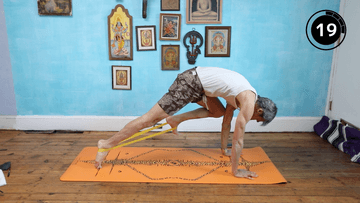
- These drills: 1) Protect the lumbar spine (no wild flinging of the legs). 2) Connect core to legs and arms—not just “six-pack” exercises. 3) Use props (ball, band, wall) to make actions clearer, not just harder. 4) They are designed to support real poses: Navasana, Supta Padangusthasana, jump-backs, and inverted balances.
- What is the uddiyana bandha kriya sequence doing in a drill set?
- Uddiyana bandha kriya is included because bandha work is strength work: 1) Empty-lung holds wake up the diaphragm and deep core. 2) The half squat, Prasarita, and supine lotus shapes give your bandha a strong container. 3) When uddiyana is more accessible, your breathing, vinyasa, and inversions all become lighter and more precise.
- How do I know if I’m overdoing it?
- Signs you’re doing too much: 1) Joint pain (especially in wrists, shoulders, knees, or low back). 2) Constant exhaustion or dread of practice. 3) Needing a full day or more to recover from a short drill. Dial back by: 1) Reducing rounds or hold times. 2) Taking more rest between sets. 3) Choosing just one drill per session.
- Can teachers use these drills in class?
- Yes. They’re ideal for: 1) Warm-ups or “lab” segments in Led or Mysore-style classes. 2) Short, focused strength segments in workshops. 3) Homework for students who need specific support (e.g., backbend access, inversion confidence, lotus dexterity). 4) They give you a shared language of actions you can reinforce across poses.